


The Complete Guide to Heat Pumps in the Midlands (2026 Edition)
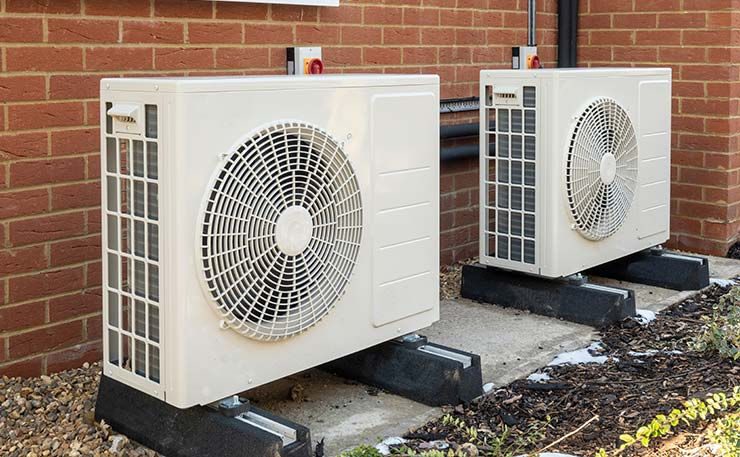
As the UK continues its transition towards low-carbon heating, heat pumps have moved firmly into the mainstream. Across the Midlands, homeowners and businesses alike are rethinking how they heat and cool their properties in response to rising energy costs, environmental targets, and changes in government policy.
This 2026 edition of our guide explains how heat pumps work, which systems are best suited to Midlands properties, what costs and savings to expect, and why demand continues to grow across the region.
What Is a Heat Pump?
A heat pump is a highly efficient heating system that extracts renewable heat from the environment and uses it to warm your home or business. Instead of generating heat by burning fuel, heat pumps move heat from one place to another using electricity.
The result is a system that can deliver three to four units of heat for every unit of electricity used, making it far more efficient than traditional gas or electric heating.
Many heat pump systems can also provide cooling, offering year-round comfort from a single installation.
Why Heat Pumps Are Growing in Popularity Across the Midlands
The Midlands has become one of the UK’s fastest-growing regions for heat pump installations, and for good reason.
Key drivers include:
Rising energy prices, making efficient systems more attractive
Government incentives encouraging low-carbon heating
A varied housing stock, well suited to different heat pump types
Growing environmental awareness among homeowners and businesses
From urban centres to rural villages, heat pumps are now being installed in new builds, retrofits, offices, and commercial premises across the region.
Types of Heat Pumps Explained
Air Source Heat Pumps (Air-to-Water)
Air source heat pumps extract heat from the outside air and transfer it to a water-based heating system such as radiators or underfloor heating. These systems are popular for whole-home heating and hot water.
They work efficiently in the Midlands’ moderate climate and are suitable for many detached, semi-detached, and new-build properties.
Air-to-Air Heat Pumps
Air-to-air heat pumps provide warm or cool air directly into rooms using fan units. They are particularly popular for offices, retail units, home offices, and properties without wet heating systems.
Their ability to provide both heating and cooling makes them an increasingly attractive option for year-round comfort.
Ground Source Heat Pumps
Ground source heat pumps extract heat from the ground using buried pipes. While they offer excellent efficiency, they require more space and higher upfront investment, making them more suitable for rural properties or larger sites.
Are Heat Pumps Suitable for Midlands Properties?
One of the most common questions is whether heat pumps work well in older or existing buildings. In most cases, the answer is yes — with the right design.
Heat pumps perform best in properties that are:
Reasonably well insulated
Able to operate at lower flow temperatures
Fitted with suitable heat emitters (radiators or underfloor heating)
Across the Midlands, many properties built from the 1930s onwards can be successfully adapted for heat pumps, especially when combined with insulation upgrades.
Commercial properties such as offices, warehouses, and retail spaces are also well suited, particularly when heating and cooling are both required.
Heat Pump Costs in 2026
Installation Costs
In 2026, typical heat pump installation costs in the Midlands are:
Air source heat pump: £8,000 – £14,000
Air-to-air heat pump: £3,000 – £8,000 (depending on size and number of units)
Ground source heat pump: £18,000 – £30,000+
Costs vary based on property size, system design, and any additional work required.
Running Costs
Heat pumps are cheaper to run than direct electric heating and can be highly competitive with gas, especially when paired with:
Solar PV systems
Smart tariffs
Good insulation
For many Midlands households, this means lower and more predictable energy bills.
Grants and Incentives
Government incentives continue to play a key role in making heat pumps more accessible.
In 2026, eligible homeowners can still benefit from grants designed to offset installation costs, particularly for air source heat pumps replacing fossil fuel systems. These schemes can significantly reduce upfront investment and improve payback periods.
Commercial properties may also benefit from energy efficiency schemes and carbon reduction incentives, depending on the nature of the installation.
Environmental Benefits
Heat pumps are one of the most effective ways to reduce carbon emissions from heating.
By using renewable heat from the air or ground, they:
Produce significantly lower emissions than gas or oil systems
Support the UK’s net zero targets
Reduce reliance on fossil fuels
For businesses in the Midlands, installing heat pumps can also support sustainability credentials and environmental reporting.
Heat Pumps for Homes vs Businesses
Residential Installations
Homeowners choose heat pumps for:
Lower running costs
Reduced carbon footprint
Future-proof heating
Quiet, reliable operation
They are particularly popular in family homes, new builds, and properties undergoing renovation.
Commercial Installations
Businesses benefit from:
Efficient heating and cooling
Improved comfort for staff and customers
Reduced operational costs
Compliance with sustainability goals
Air-to-air systems are especially popular in commercial environments due to their flexibility and rapid temperature control.
Choosing the Right Installer
Correct system design and installation are critical to performance. A properly installed heat pump should be:
Sized accurately for the property
Matched to insulation and usage patterns
Installed and commissioned by experienced engineers
Working with a specialist installer who understands Midlands property types ensures the system performs efficiently from day one.
The Future of Heat Pumps in the Midlands
Looking ahead, heat pumps are set to become the standard for new heating installations. As gas boilers are phased out and electricity becomes increasingly renewable, heat pumps offer a practical, proven solution for both homes and businesses.
In the Midlands, continued investment, improving technology, and growing installer expertise mean heat pumps will play a central role in the region’s low-carbon future.
Final Thoughts
Heat pumps are no longer a niche technology. In 2026, they represent one of the most effective, future-proof ways to heat and cool properties across the Midlands.
Whether you are a homeowner planning a long-term upgrade or a business looking to reduce costs and emissions, understanding heat pump options is the first step. With the right advice and installation, heat pumps can deliver comfort, efficiency, and sustainability for years to come.


Comments